Something Feels Wrong With Your Mac?
A strange pop-up appears when you open Safari. Ads suddenly follow you from one page to another. Your browser starts behaving differently. Or an application you do not remember installing keeps asking for attention.
It is easy to jump straight to the worst conclusion: “My Mac has a virus.” But the truth is a little more useful than that. Not every warning, pop-up or slow-down means your Mac is infected — and macOS already has several layers of built-in protection.
Still, when something feels suspicious, guessing is the last thing you want to do. You want a simple way to check your Mac and, if something unwanted is there, get it out of the way.
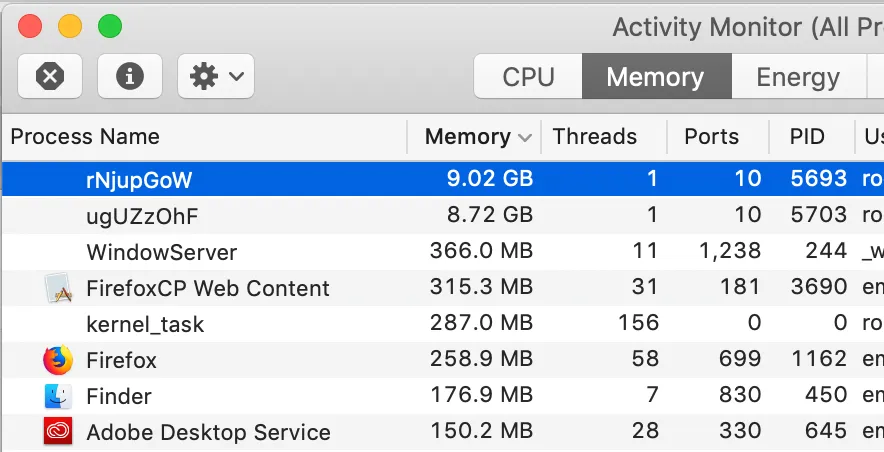
One important thing first: macOS already includes Gatekeeper and XProtect, which help prevent, detect and remediate known malware. That built-in protection is one reason Macs are not as defenseless as pop-up warnings sometimes make them seem.
So Why Do Suspicious Pop-Ups Happen?
Sometimes the problem is not a classic virus at all. A browser extension, unwanted application, deceptive notification or other potentially unwanted software can make your Mac feel very different from the Mac you were using yesterday.
The important part is not to panic — and definitely not to click a frightening message telling you that your Mac is “critically infected” and that you must call a number or install a mysterious cleaner immediately.
Real security software does not need to scare you into making a decision in five seconds. The better approach is simple: check the Mac, identify what is actually there, and remove what does not belong.
Why Built-In Mac Protection Still Matters
Apple has built several security layers directly into macOS. Gatekeeper helps verify downloaded software, while XProtect provides built-in malware detection and remediation. Apple can also update XProtect’s security data independently of regular macOS updates.
That means you do not need to install a third-party antivirus simply to have basic malware protection on a Mac.
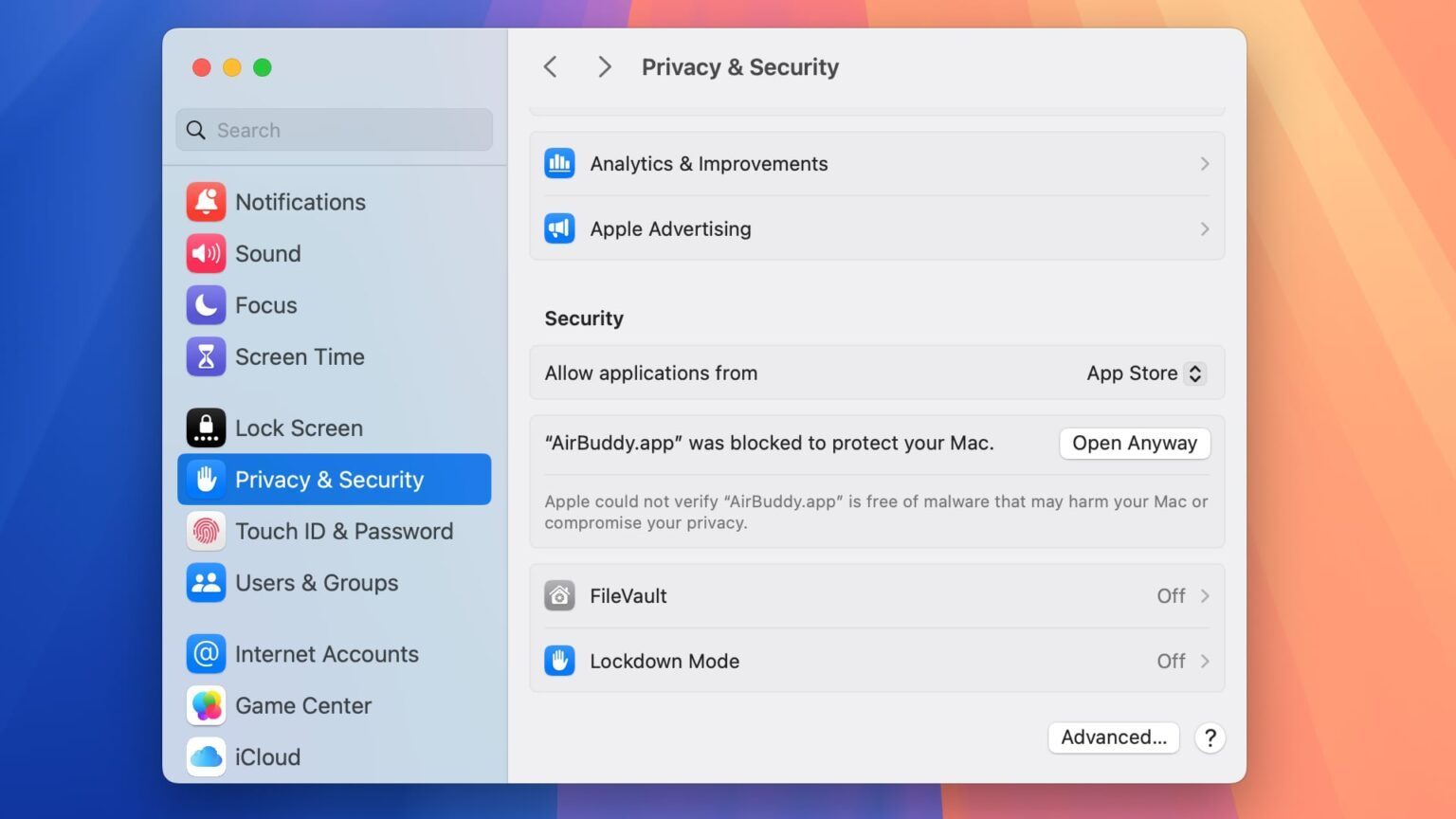
But there is a difference between having built-in protection and running a dedicated scan when something looks suspicious. If you want that extra layer of reassurance, a dedicated malware scanner can make the process much more straightforward.
The One Solution We Recommend Trying
For a simple, recognizable way to scan a Mac for malware, we are going to use Malwarebytes for Mac.
It is a dedicated malware scanner that can look for malware, spyware and other unwanted threats. Homebrew currently provides an official cask for Malwarebytes for Mac, which means Mac users who already have Homebrew installed can install the app from Terminal with a single command.
No hunting through download pages. No guessing which installer is the right one. Just one command to install the app, followed by a scan inside Malwarebytes.
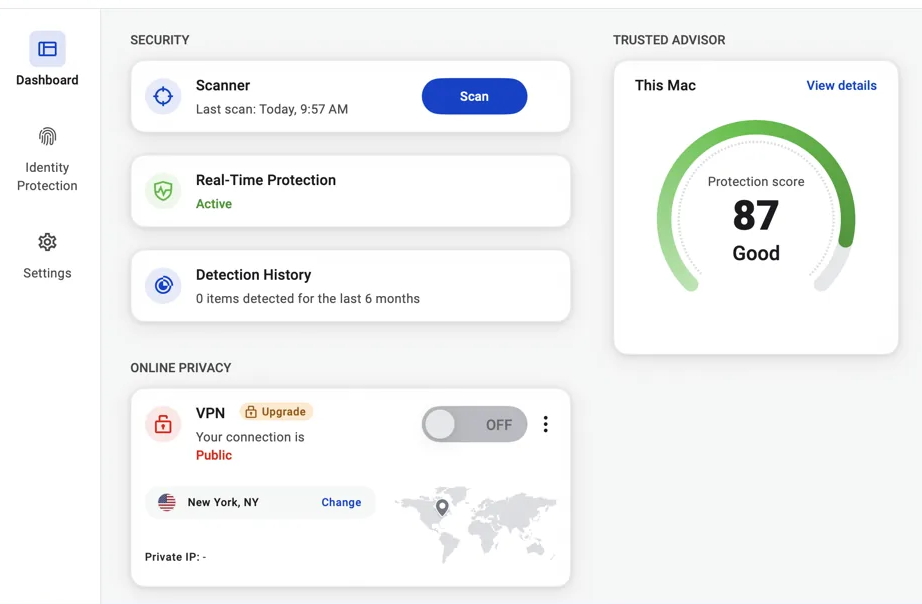
One Command. One Clean Start.
Copy the Command
Click below to copy the command. It uses Homebrew to install Malwarebytes for Mac — the command itself does not scan or clean your Mac.
brew install --cask malwarebytes
Paste into Terminal
Open Terminal from Applications → Utilities, then paste the command using:
⌘ Command + V
Make sure Homebrew is already installed on your Mac. The command simply asks Homebrew to download and install Malwarebytes for Mac.
Press Enter
Press Enter ↵ and let Homebrew complete the installation.
Once the installation is complete, open Malwarebytes from your Applications folder and start a scan. The malware check happens inside the Malwarebytes app — Terminal is only being used to install it.
Already have Homebrew? This is the whole command. If you do not have Homebrew installed, use the official Malwarebytes installer instead rather than pasting an unfamiliar installation command from the web.
What This Command Actually Does
The command does not “clean your Mac” by itself. That distinction matters.
It uses Homebrew to install the Malwarebytes application. The actual malware check happens inside Malwarebytes after you open it and start a scan.
In other words, there is no magic trick hidden inside Terminal. The command simply gets the right tool onto your Mac quickly — and then the tool does the checking.
What If the Scan Finds Nothing?
That can be the best result.
If the scan is clean, you have replaced “I think something is wrong” with something much more useful: “I checked, and nothing suspicious was found.”
And if the problem is still there, you have narrowed the search. The next place to look may be Safari extensions, notification permissions, Login Items, recently installed applications or a particular website rather than malware itself.
If Something Suspicious Is Found
This is where a dedicated scanner becomes especially useful. Instead of manually searching through folders and trying to guess which files are safe to delete, let the security software identify the detected threat and follow its recommended removal process.
Do not start deleting random system files just because their names look unfamiliar. A file you do not recognize is not automatically malicious — and removing the wrong system component can create a completely different problem.
Security Should Feel Quiet
The best security experience is not a screen full of warnings. It is the quiet confidence that your Mac is being looked after.
No frantic clicking. No mysterious “your Mac is infected” messages. No guessing which cleaner to trust.
Just a sensible check, a clear result, and the freedom to get back to what you were doing.
Give Your Mac That Feeling Back
A Mac should feel calm. You open the lid, launch an app, browse the web and get on with your day without wondering what is happening behind the scenes.
If something has changed, start with one simple step instead of ten complicated ones. Install a trusted scanner, run a proper check, and let the result tell you what to do next.
Sometimes the biggest relief is not fixing a huge problem. It is finally knowing whether there was a problem in the first place.
Still Not Sure What Is Causing the Problem?
Malware is only one possible reason a Mac can suddenly behave strangely. If your browser is still showing unwanted ads, an unfamiliar app keeps returning, or your Mac simply does not feel right after a cleanup, the next step is to look at the wider system.
A good Mac optimization should leave you with more than a clean scan. It should leave you with a machine that feels predictable, responsive and comfortable to use again.